Digital Education · New Materials
The Creative Break Is Over – It's Getting Exciting!
A preview of new materials for the classroom
It has been a while since our last update — but don't worry, we have been anything but idle in the meantime! Behind the scenes, we have been working flat out on new materials and ideas. And now here is a small preview of what will be appearing on EDUKI shortly.
What's coming next?
Since EDUKI reviews every product carefully before publication, it can sometimes take a little while before everything goes live — but as we all know, the anticipation is the best part. Each new product will have its own dedicated post — but for now, here is a little taster of what's on the way:
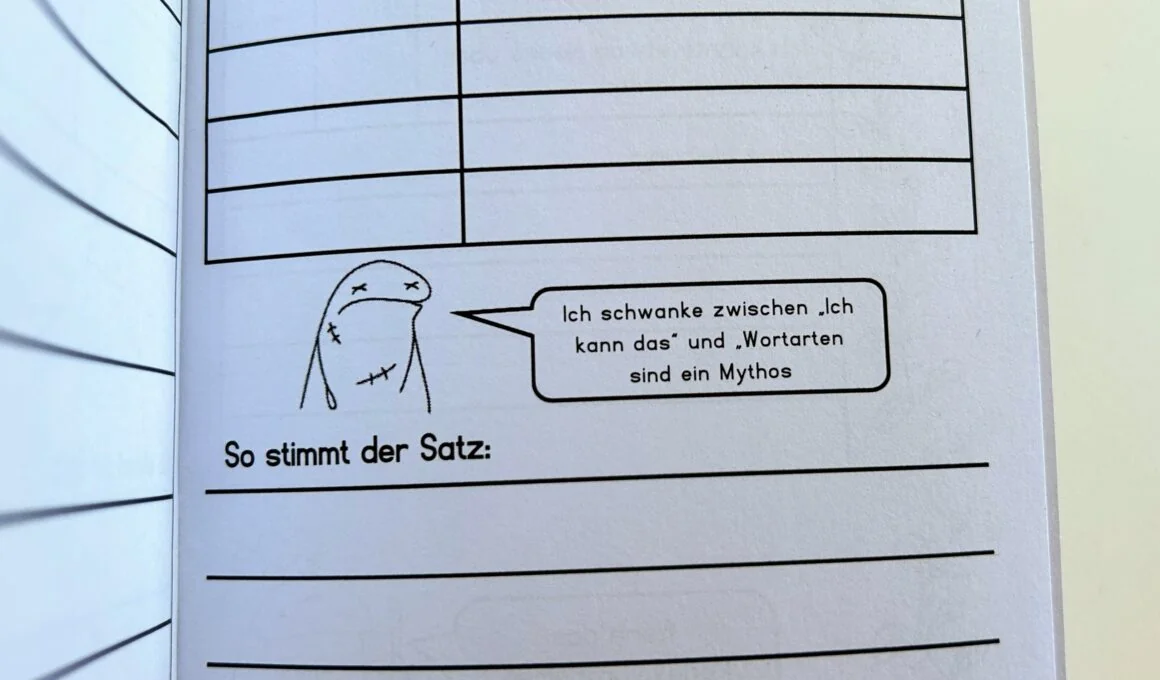
- Word Classes – The Building Blocks of a Sentence (Large)
- Word Classes – The Building Blocks of a Sentence (Small)
- Word Class Heroes – Year 2
- The Alphabet
- Multiplication Tables
- Help! The Word Classes Are on the Loose
Coming to Etsy too?
We are currently considering whether to offer some of our finished workbooks through Etsy as well — we are curious to see whether it is worthwhile and how you all respond. Stay tuned — it's going to be exciting!
Don't miss an update
Anyone who doesn't want to miss any news can sign up for the newsletter and receive new materials directly by email.