German · Reading · Years 2–6
Why a Reading Journal Is More Than Just a Worksheet
How recording thoughts deepens text comprehension
Reading is one of the most important skills children develop at school. At the same time, reading is something deeply personal. Every story, every non-fiction book, and every character leaves a different impression.
Some books make us laugh. Others make us think. And others surprise us with knowledge we never had before.
But what actually happens to all those thoughts? More often than not, they simply disappear once the book is finished. That is exactly where a reading journal comes in.
Reading Is an Active Process
Reading is not simply about recognising words and understanding sentences. Reading research describes it as a process in which readers actively construct meaning — connecting the text with their own experiences, expectations, and thoughts.
This active engagement is crucial for text comprehension. Those who reflect on texts, ask questions, or record impressions process content more deeply.
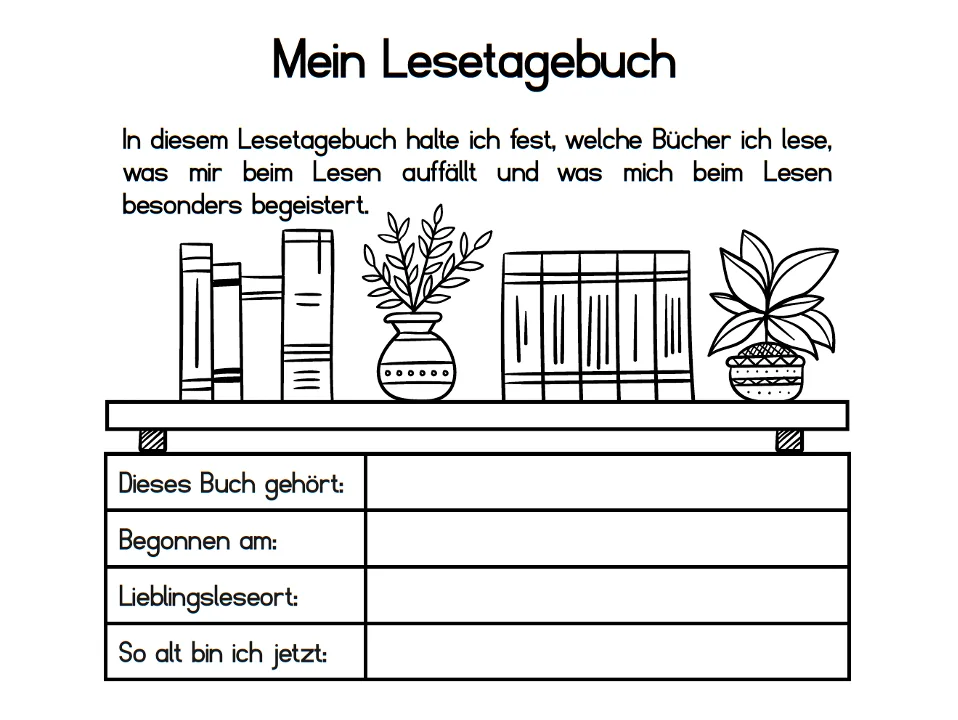
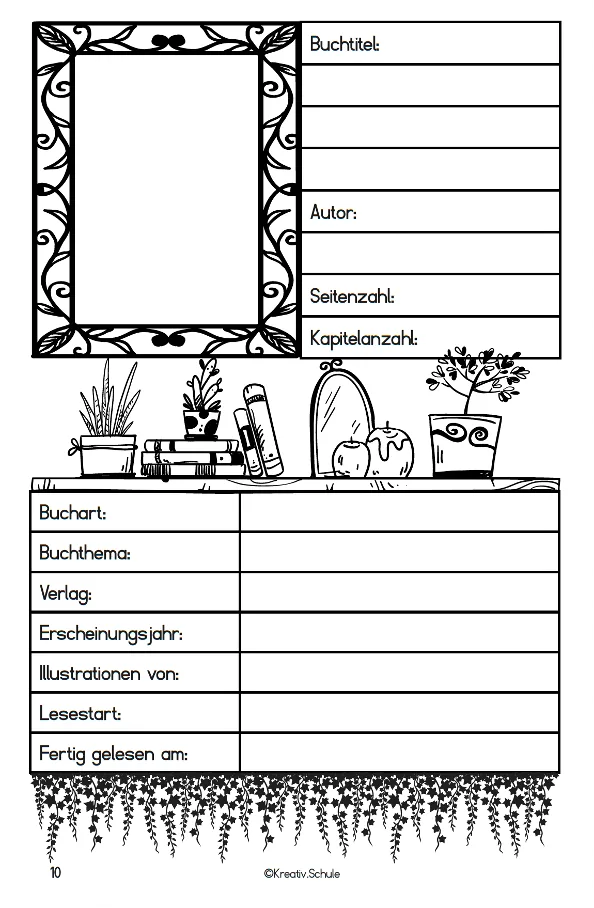
A reading journal provides exactly that space. Here readers can note:
- when they read a book
- what thoughts arose during reading
- which themes or characters were particularly interesting.
In this way, reading becomes a conscious process.
Writing Helps Understanding
Another important aspect of reading pedagogy is the connection between reading and writing. When readers write about texts, they must select, organise, and summarise content.
This creates a deeper understanding of what has been read.
Someone describing what a book was about must ask: What was actually the most important thing? What idea lies behind the story?
These reflective processes strengthen text comprehension and at the same time develop language expression skills.
Thinking About Language and Texts
Through reading, children and adults constantly encounter new words, ways of expression, and text forms. Those who think about language gradually develop a stronger awareness of its structure and meaning.
This so-called language awareness develops through comparing formulations, asking questions about texts, or engaging playfully with language.
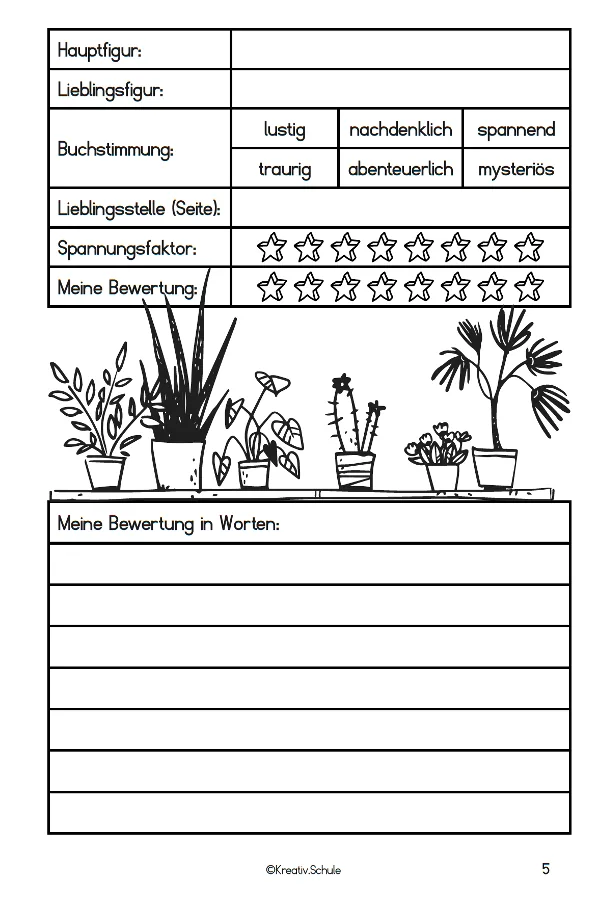
A reading journal supports this process, because readers record their impressions and reflect on how texts work.
Learning Through One's Own Thoughts
Modern pedagogy holds that learning is most lasting when learners actively engage with content and make their own thinking visible.
That is exactly what happens in a reading journal. Readers document their own thoughts, impressions, and evaluations — becoming not just consumers of texts, but active readers.
A Personal Journey Through Books
Over time, a reading journal becomes something quite special: a personal collection of one's own reading experiences.
After a few months or years, you can leaf back through it and discover:
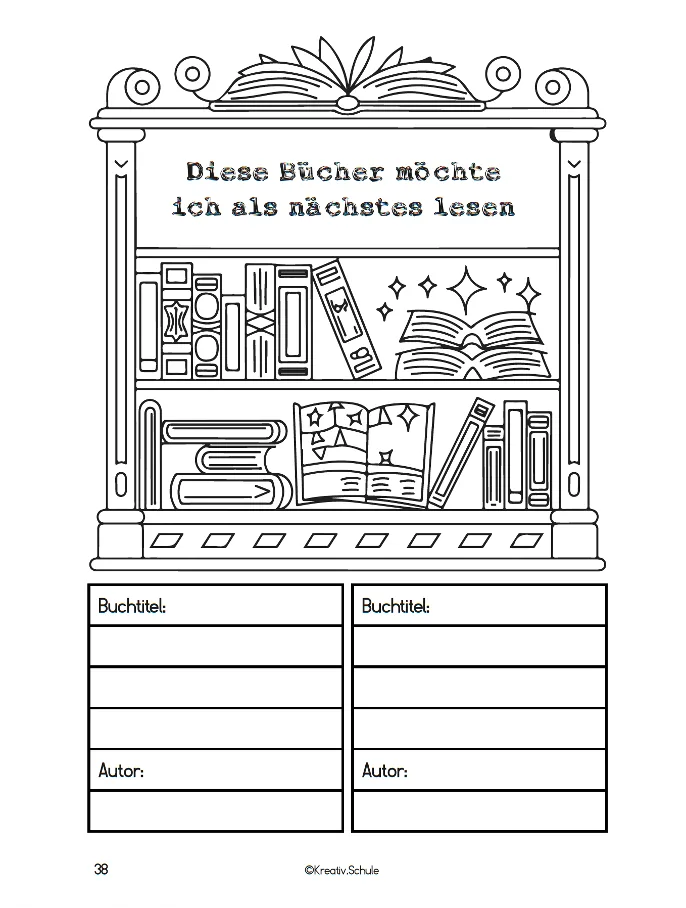
- Which books excited me?
- Which topics interested me?
- Which characters do I remember most?
The reading journal becomes a small chronicle of one's reading development. And sometimes you even discover your next favourite book within its pages.
Making Reading Visible
Reading often happens quietly and invisibly. A reading journal makes this process visible.
It shows: reading is not just a school task. Reading is a journey through ideas, stories, and knowledge.
And every reader experiences that journey a little differently.
Matching material at Eduki